Resumen para comprador: Cree un sistema de color profesional basado en referencias físicas, numeración de carta y aprobación de muestra.
Begin with the market, not the largest possible shade list
Review what your salons, distributors or consumers actually request. A disciplined core range is easier to explain, stock and reorder than a broad list with weak shade distinction.
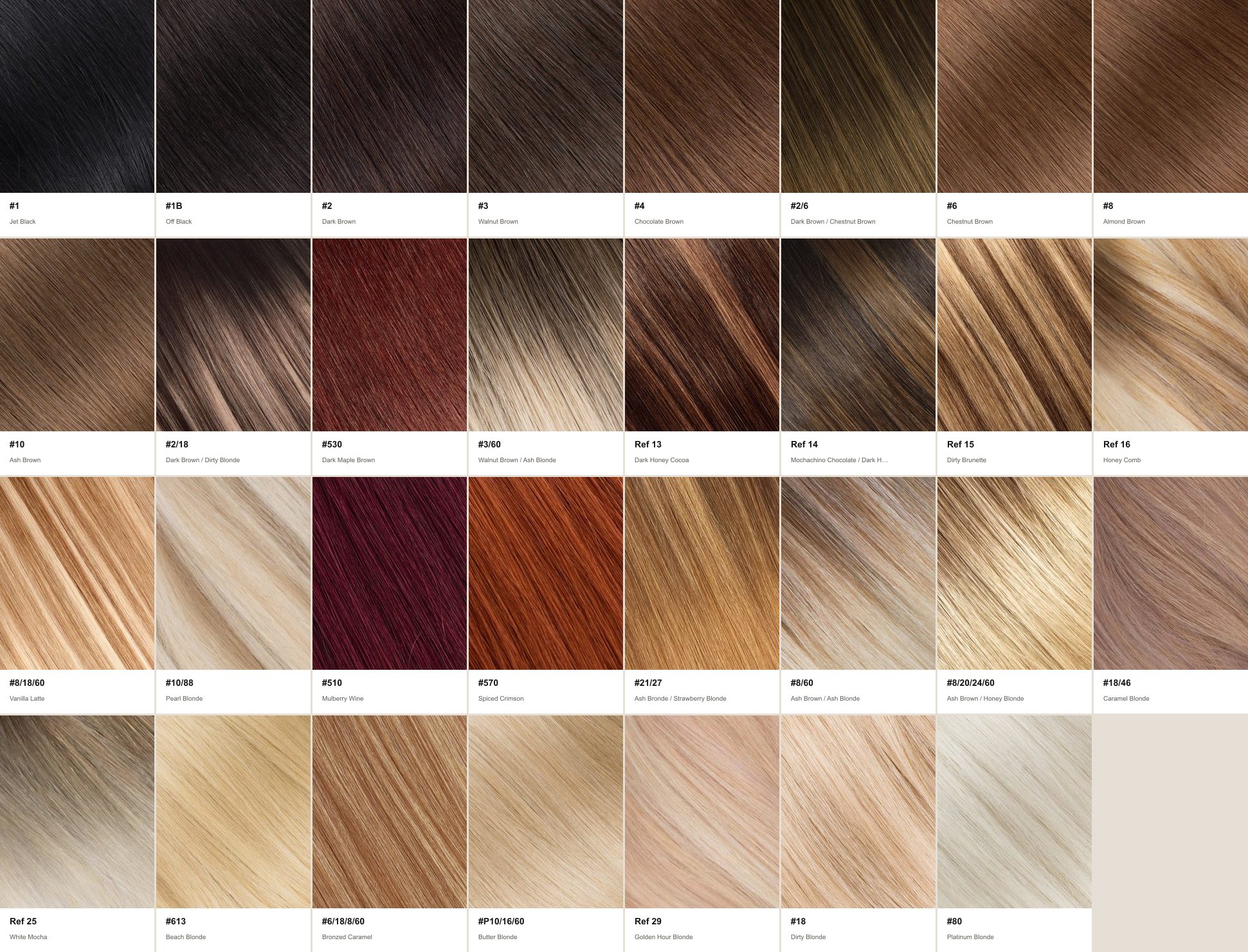
Use physical references
Photography and screens change colour. Establish physical references for core shades and record the lighting and product construction used during approval. The same named shade can appear different across fibres, hair directions and densities.
Explore the 31-shade DS HAIR Colour Chart 2 and physical-reference workflow →
Separate roots, blends and highlights
A shade name should communicate its construction. Record root depth, blend balance, highlight placement and undertone instead of relying only on a short code that different teams may interpret differently.
Test representative constructions
Review colour on the products that matter commercially. A shade on a colour ring does not automatically predict the result on a dense topper, a fine tape panel or a finished synthetic wig.
Control changes through records
When a shade is corrected, date the change and replace the old reference deliberately. Product codes, photos, physical swatches and written approval notes reduce confusion across repeat orders.
Preguntas frecuentes
¿Por qué son importantes las referencias de color físicas para el cabello al por mayor?
Las pantallas y la fotografía varían. Una referencia física ofrece a compradores y proveedores una base más consistente para aprobaciones.
¿Debería un sistema de color ser idéntico en cada producto?
La nomenclatura central puede compartirse, pero el resultado visual debe revisarse en construcciones representativas antes de confirmar.